Municipal Pipeline Inspection
Case Studies · 2026/9/15 · 22 views
A municipal water authority deployed HMDA pipeline inspection robots to survey 280 km of aging sewer mains, identifying 1,200 defects and preventing 3 major pipe failures before they caused service disruptions.
Why Pipeline Inspection Matters
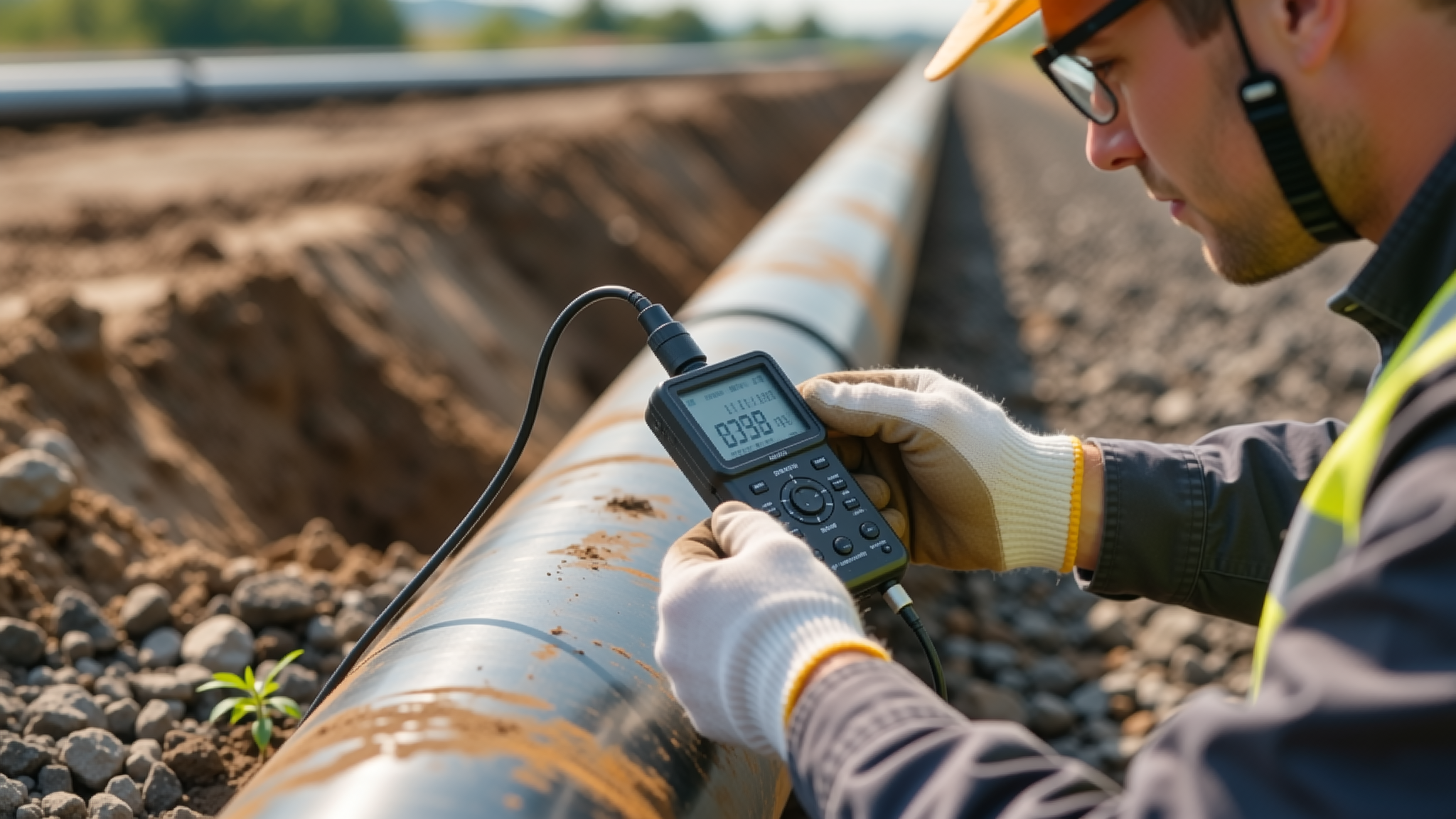
Aging underground infrastructure is one of the most pressing challenges facing modern cities. Pipes installed decades ago are deteriorating silently — corrosion, root intrusion, joint separation, and sediment buildup can all lead to catastrophic failures that flood streets, contaminate water supplies, and cost millions in emergency repairs. Traditional inspection methods like manual entry or point-and-shoot cameras miss the majority of defects.
How Does the HMDA Pipeline Robot Work?
The HMDA pipeline inspection system combines a ruggedized crawler platform with pan-and-tilt HD cameras, laser profiling sensors, and real-time data transmission through an integrated fiber optic tether. The robot navigates pipes from 200mm to 1500mm diameter, transmitting live video and sensor data to the surface operator.
What Types of Defects Can It Detect?
The system identifies over 30 defect categories following EN 13508-2 classification standards, including cracks, fractures, corrosion, holes, infiltrations, deposits, obstructions, joint offsets, and deformation. Each defect is automatically measured, geo-referenced, and photographed from multiple angles.
How Accurate Is the Defect Classification?
Field trials showed 94% agreement between the robot's AI-assisted defect classification and expert manual review — significantly higher than the 78% inter-operator agreement typical of manual CCTV inspection. The system's laser profiling module measures deformation with ±1mm accuracy, detecting subtle ovalization that visual inspection alone would miss.
Can It Operate in Active Sewers?
Yes. The robot is rated IP68 and can operate in flowing water up to 0.5 m/s velocity. For high-flow conditions, a temporary flow diversion bypass is installed upstream, allowing the inspection section to be dewatered. The entire setup and teardown process takes approximately 2 hours per 200m section.

What Were the Project Outcomes?
Over 6 months, the inspection program surveyed 280 km of sewer mains across 4 districts, identifying 1,200 defects graded by severity. The data was delivered in a GIS-integrated asset management system that prioritizes rehabilitation investments based on risk scoring. Three critical defects — including a 40% section loss on a trunk main under a major intersection — were repaired proactively, preventing estimated emergency repair costs of ¥4.5 million.